Fixing Scratches and Cracks in Leather: A Simple Guide
Leather jackets, bags, and other items are more than just fashion pieces. They are your investment in long-term quality products. Be it your favorite black leather jacket or a horse leather backpack, genuine leather only gets better with time. But nothing is invincible.
Everything we own has a certain lifespan. As for the leather, when you notice scratches or cracks, it’s weakening the material. The good news is that some of the damage is reversible if you act early.
Let’s find out how to fix leather scratches and cracks, along with the details of how you can take care of your valuable leather items to prevent them from getting damaged.
Let’s dig into it.
Types of Leather and How They React to Damage
There are many kinds of leather, and all are created differently. So, before you start fixing the cracks and scratches, you need to confirm which one you are dealing with.
1. Full-Grain Leather
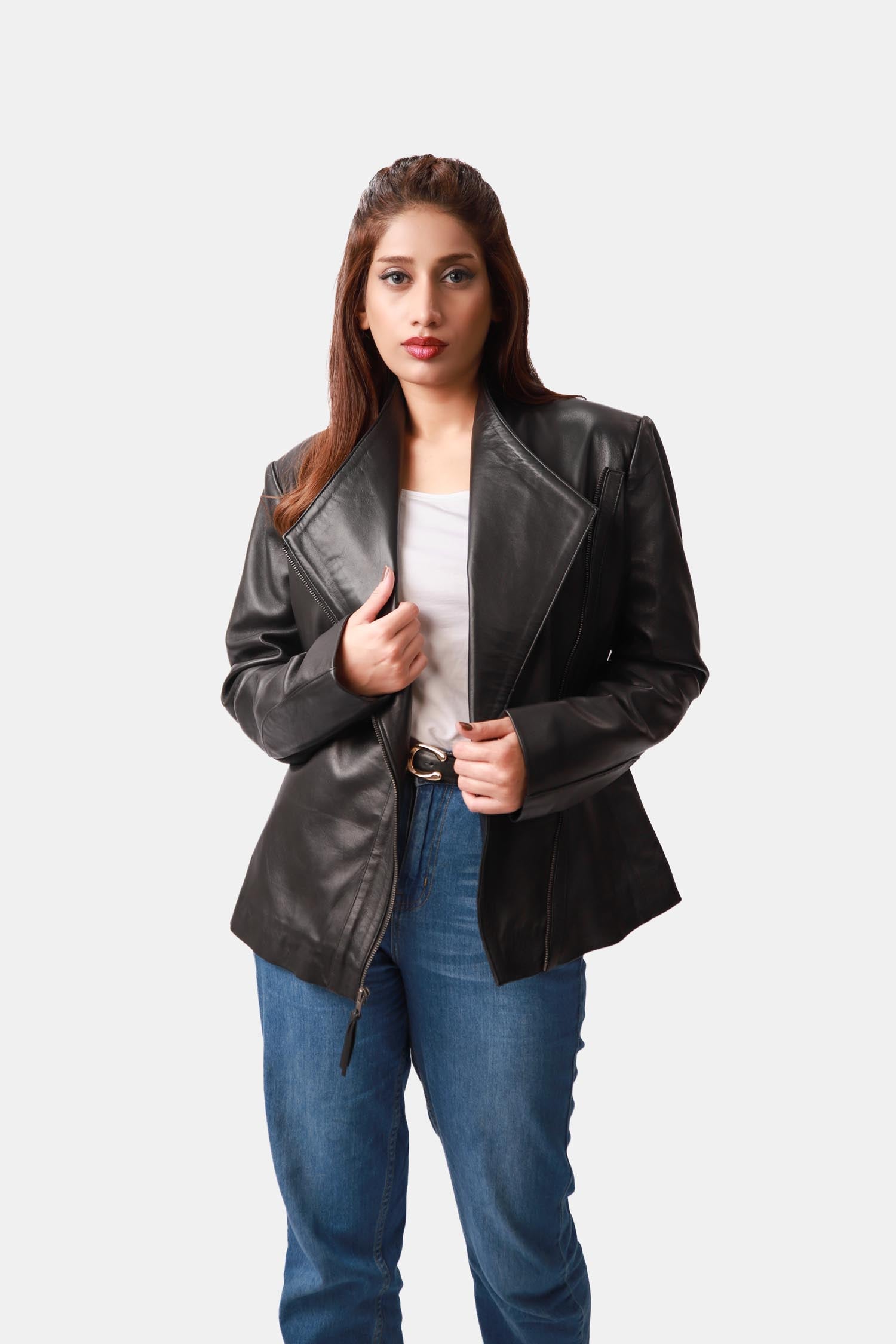
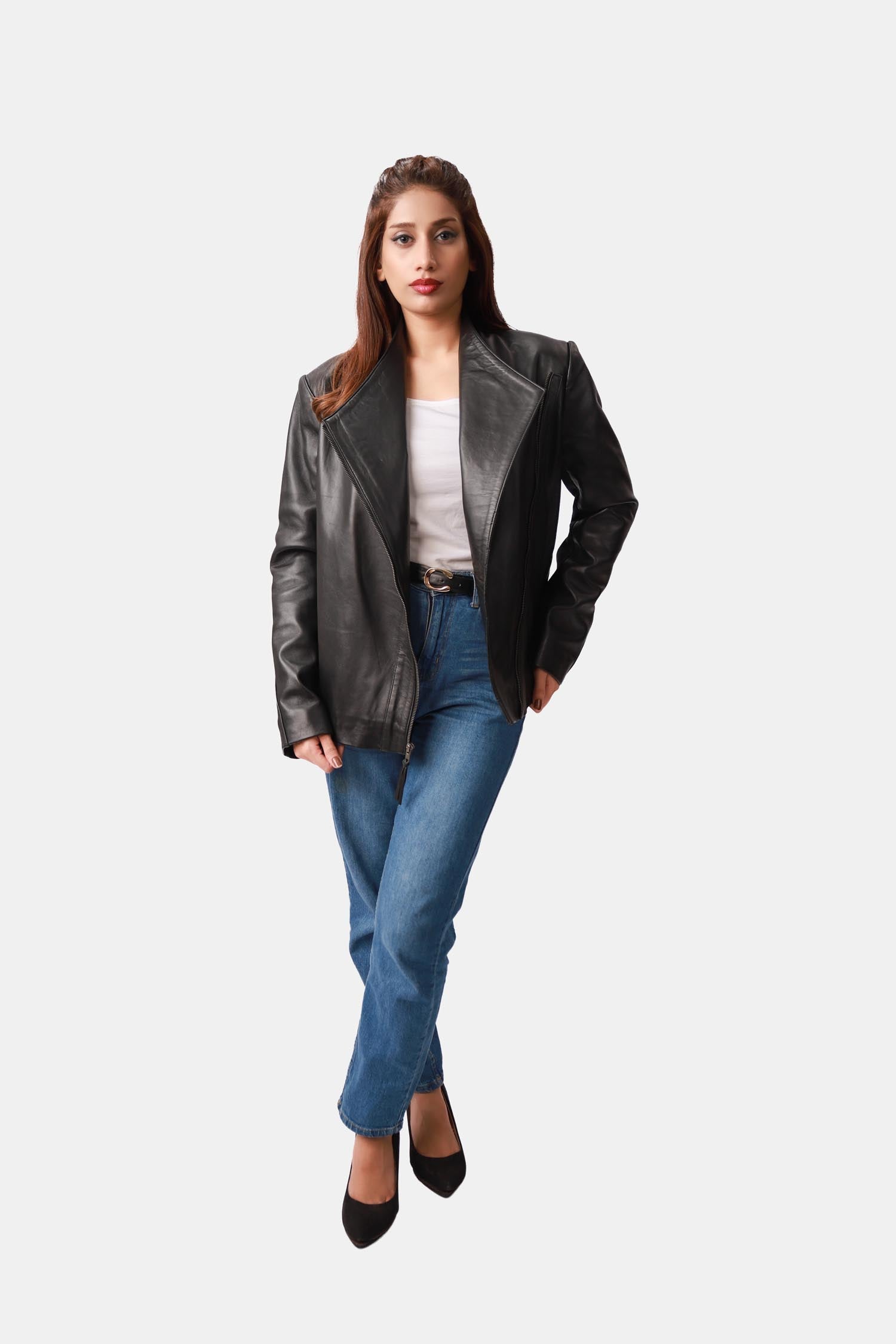
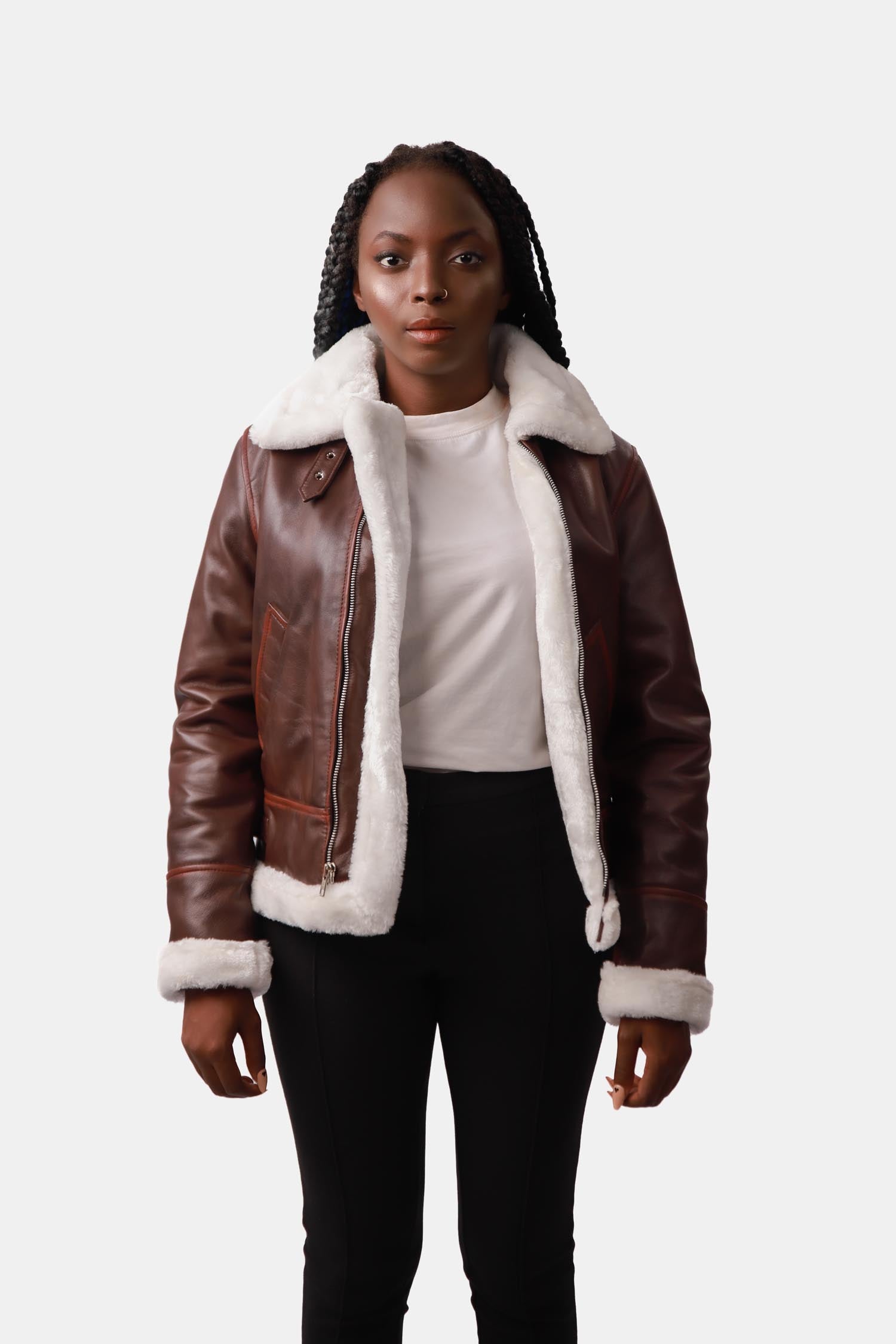
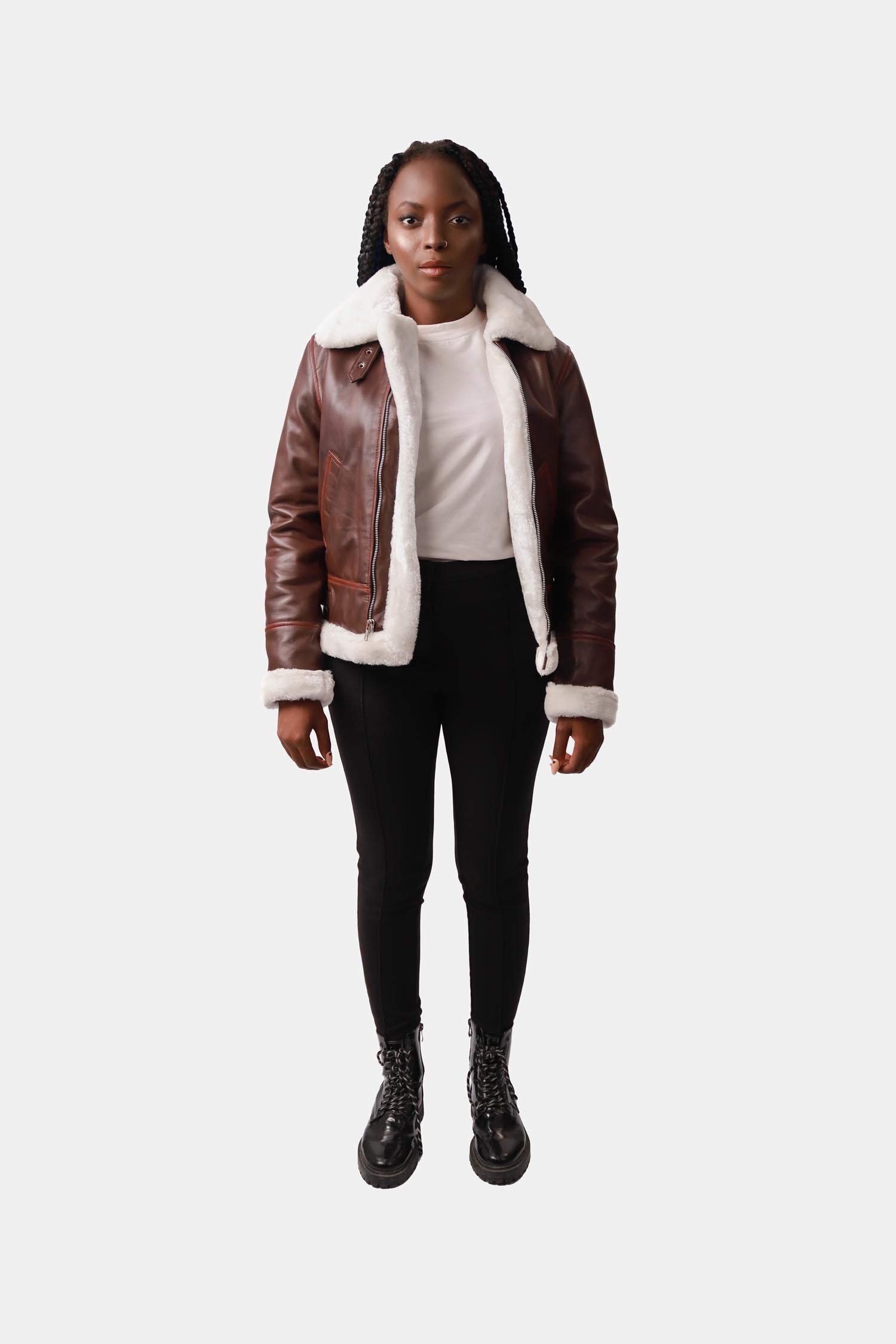
Full-grain is the highest quality leather available. It keeps the natural texture of the hide, which makes it extremely strong and long-lasting. Still, as it’s not processed heavily, it can show minor scratches. Most premium-quality leather jackets, shoes, or other items are made from full-grain leather, like womens shearling jackets and biker styles, because of its unmatched durability.
2. Top-Grain Leather
It is also made from the top layer of animal hide, just like full-grain, but it’s slightly processed to remove imperfections and create a smoother surface. It attracts many people due to its clean appearance. Know that top-grain leather still needs conditioning and proper care, just like any other leather.
3. Corrected-Grain Leather
It is made by sanding and embossing to hide natural imperfections and to give it a consistent look. It doesn’t get cracked or scratched easily, but if it does, then it's not easy to repair because the surface of the leather has already been altered.
4. Faux Leather
It is called artificial leather because it’s not made from any animal hide. It looks like real leather, but it’s not the same. Genuine leather products don’t work on faux leather. You will have to use special repair kits for fake leather, like vinyl repair kits or faux leather paint.
5. Crazy Horse Leather
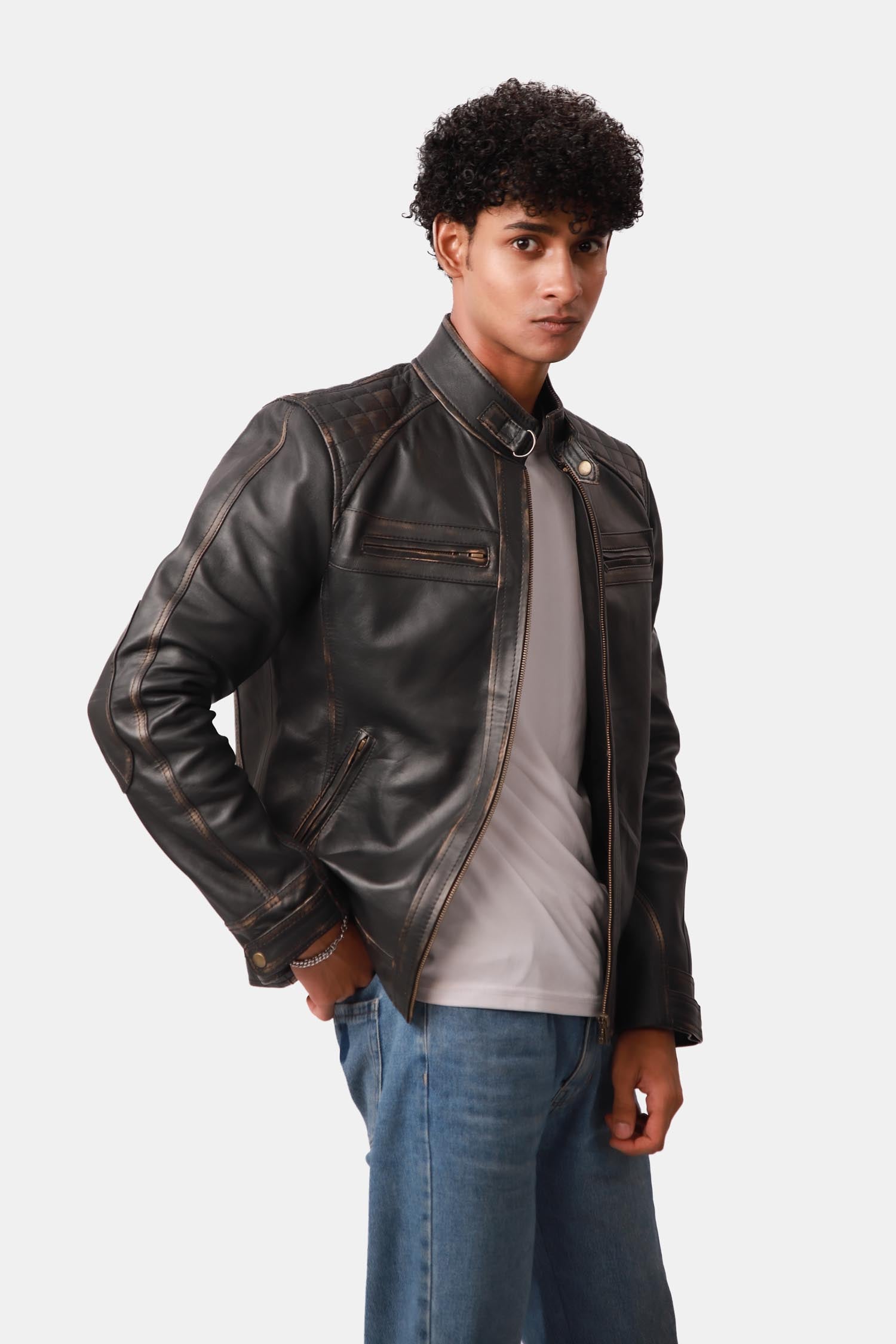
Crazy Horse leather is usually used in durable bags and jackets. It’s made from full-grain leather and completed with a wax coating that gives it a vintage look. Light scratches can happen and add to its character, but deep cracks need fixing to keep it strong.
How to Fix Scratches in Leather
Scratches are the most common issue you might see in items like mens leather jackets, bags, or shoes. If there are lighter scratches, then don’t worry, it’s part of the natural aging process, but deeper marks will affect how your leather item looks and feels. The plus point is that you can fix leather scratches at home by using a few tools and a little care.
Here is how to repair scratches on leather:
What you will need
- Soft microfiber cloth
- Saddle soap or a leather cleaner
- Leather conditioner
- You can get leather repair balm or cream for deeper scratches.
- Sponge or cotton
Step 1: Clean the leather before you start treating the scratch. Gently wipe the area using a damp cloth and a small amount of leather cleaner. This will remove the dirt or buildup that may stop the treatment from working. Let it dry completely on its own.
Step 2: Rub the area using your finger or the cloth to remove light scratches. The natural oil in your skin can help it blend with the rest of the leather. This alone makes minor marks nearly invisible in some cases.
Step 3: When it’s clean and dry, it’s time to use the leather conditioner. Apply a small amount on the cloth and rub it gently into the scratched area in a circular motion. Conditioner will restore the moisture and make it less visible.
Step 4: If the scratch is still visible and deeper, then apply the leather repairing balm or cream that matches the color of your leather. Apply a small amount using a sponge or cotton swab, and blend it into the scratched area. Let it sit for a few minutes and then buff it with a dry cloth.
Step 5: Leave it for a while so it can absorb the product. Check the area after it's dry. Repeat the steps for better coverage if needed.
How to Fix Cracks in Leather

Cracks are more serious than scratches. Leather gets cracked when it's not taken care of. Lack of conditioning makes it lose natural oils, and the surface starts to split. You can repair some cracks using the right products and a little patience.
What you will need
- leather cleaner or saddle soap
- Microfiber cloth
- Leather conditioner
- Leather filler for deep cracks
- Plastic applicator
- 600 grit sandpaper
- Leather dye
- Leather sealer
Step 1: Make sure that the cracked area is free of dust and dirt. Wipe the surface using a clean microfiber cloth and leather cleaner or saddle soap.
Step 2: Let it dry on its own before you start repairing the crack. The products won’t stick well if the area stays damp.
Step 3: Apply a leather conditioner to a soft cloth and rub it gently in cracked areas. Massage in circular motions and then let it sit for at least 10-15 minutes. This will rehydrate the leather and soften the cracks.
Step 4: Use the sandpaper if the cracks are rough and deep. Sand the area lightly until it feels smooth. Wipe away the dust using a cloth. Avoid touching your nails to it.
Step 5: Take a small amount of leather filler using an applicator and cover the cracks, smooth out the surface, and let it dry on its own. Don’t use heat to speed up the process, or you might end up making it worse.
Step 6: After it’s dry, gently sand the area again to blend. This will make leather feel more natural. Wipe away the dust and apply the leather dye in the end.
Why Leather Cracks or Gets Scratched
Leather jackets are designed to last for years, or even decades, but they sure are vulnerable to everyday wear and tear. It can get cracked or scratched for some reasons:
Dryness: When you don’t apply leather conditioner to your leather jackets or other items, it loses the natural oils, which makes it dry and brittle.
Friction: Scratches can easily happen because of repeated rubbing from the car seats, armrests, or even backpacks.
Sunlight exposure: Long exposure to heat dries the leather out, which causes surface cracks.
Poor storage: keeping it in a humid and dry environment damages its structure.
That's why it's important to learn how to repair leather scratches so you can avoid future damage, catch and fix the issues early.
Maintenance Tips

Avoiding the damage is way easier than repairing it. Here is how to clean and protect your leather jacket:
- Apply conditioner every 2-3 months.
- Keep it in a breathable space.
- Store it away from sunlight or heat.
- Immediately wipe off any moisture
- Hang them properly, never fold them.
Take good care of your leather items to make them age beautifully, whether it's an aesthetic jacket or a classic leather coats for men and women.
FAQ’s
1. Can I use olive oil to fix leather scratches?
It’s not recommended. Olive oil might attract dirt and darken your leather. Use products that are made specifically for leather.
2. How often should I condition my leather jacket?
Every 2-3 months, according to the weather and how often you use it.
3. Can leather scratches be completely removed?
Light scratches can be treated with conditioner. You may need to use a filler and leather dye for deep ones.
4. What’s the best way to store a leather jacket?
In a cool and dry closet. You can also use a breathable garment bag.
5. Is it possible to repair faux leather?
Faux leather requires different repairing methods. You can use vinyl repair kits made for artificial materials.
6. How to fix cracked leather?
Apply leather conditioner to rehydrate the fibers. If the crack is deep, then use a leather filler, smooth the surface using sandpaper, and apply leather dye in the end.
Final Thoughts
Scratches and cracks don’t mean that your leather’s life has ended. You can restore the genuine leather with a little care. Follow the procedure mentioned above as instructed to save your investment.
Now that you know how to repair scratches on leather and cracks, it's time to put that knowledge to use and repair your leather jackets, womens leather blazers, or other items before it’s too late.